There’s a moment near the end of every mission trip when the bags are packed, the clinic tables are folded, and the team gathers for a final prayer before heading to the airport. It’s easy to wonder, in that moment, what happens next — not for the team, but for the people they leave behind.
It’s a fair question. And it’s one that Jean Toussaint has thought about deeply.
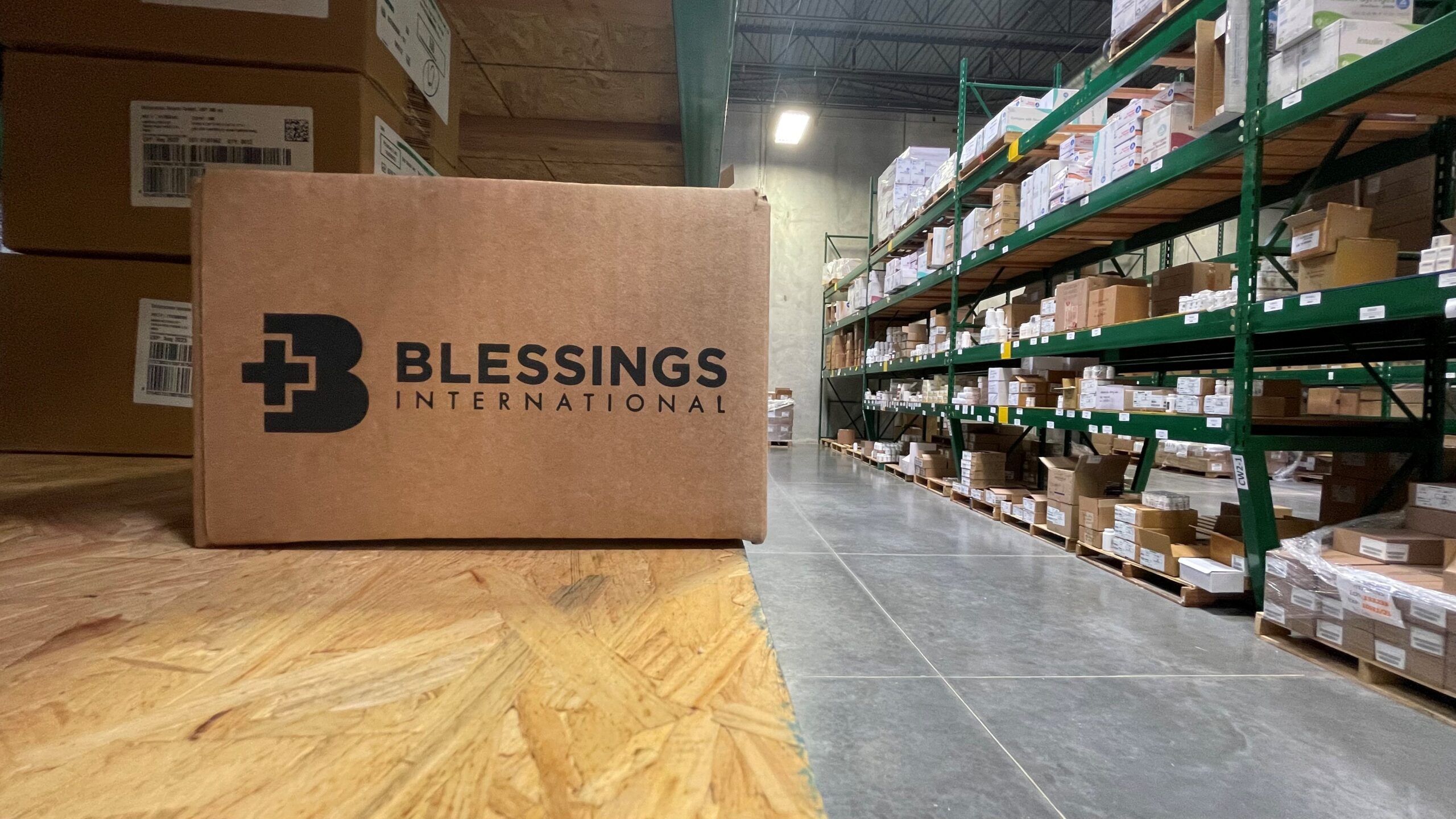
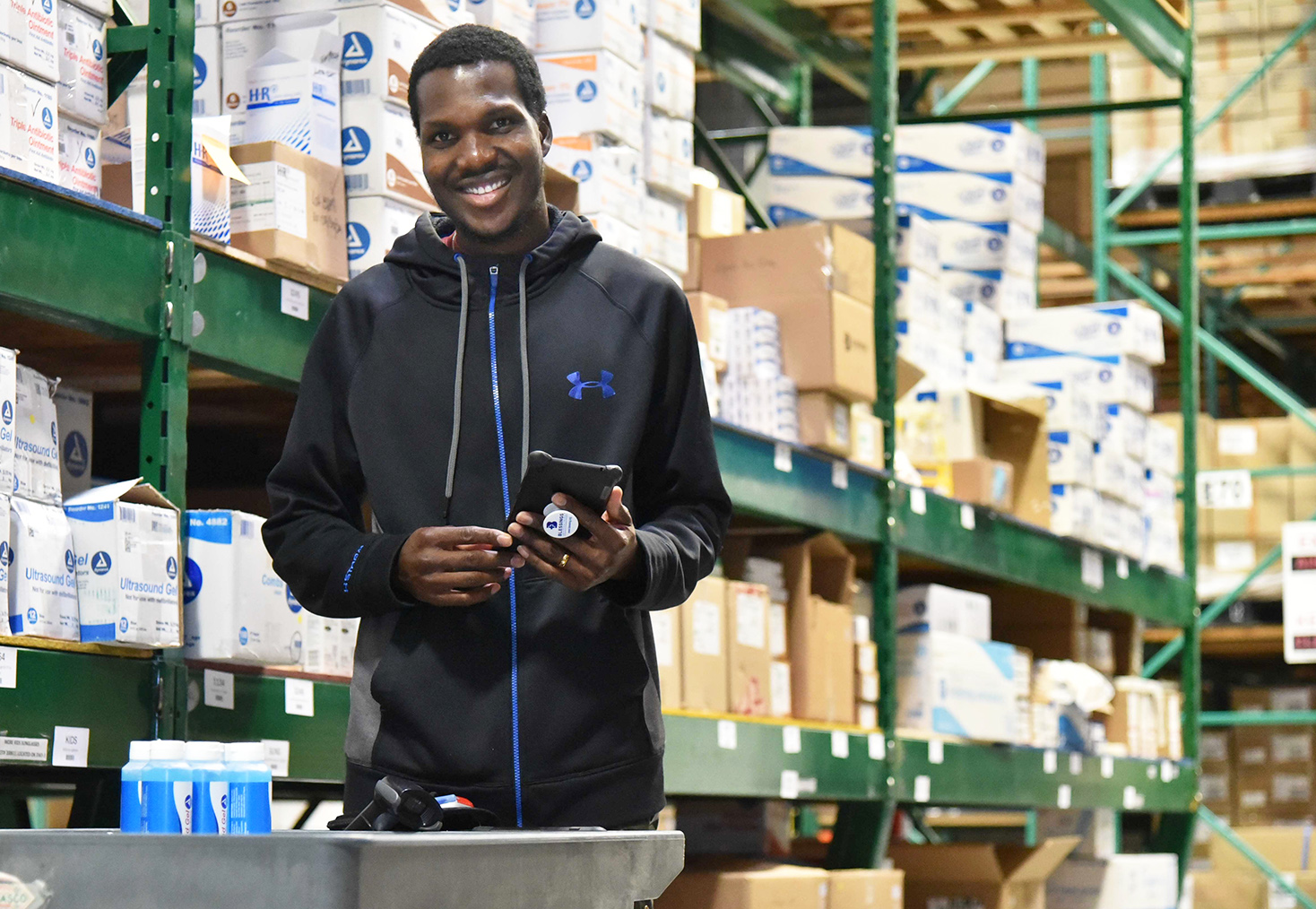
Jean works as a warehouse team lead at Blessings International — an organization that has been supplying life-saving medicines to mission teams and clinics around the world for nearly 45 years, serving more than 140 countries in the process. He’s the person on the other end of the phone call when a mission organization like MPFC needs malaria medicine, antibiotics, or a hard-to-source pharmaceutical that most suppliers can’t locate. He knows the supply side of medical missions better than almost anyone.
But last year, Jean went to the field.
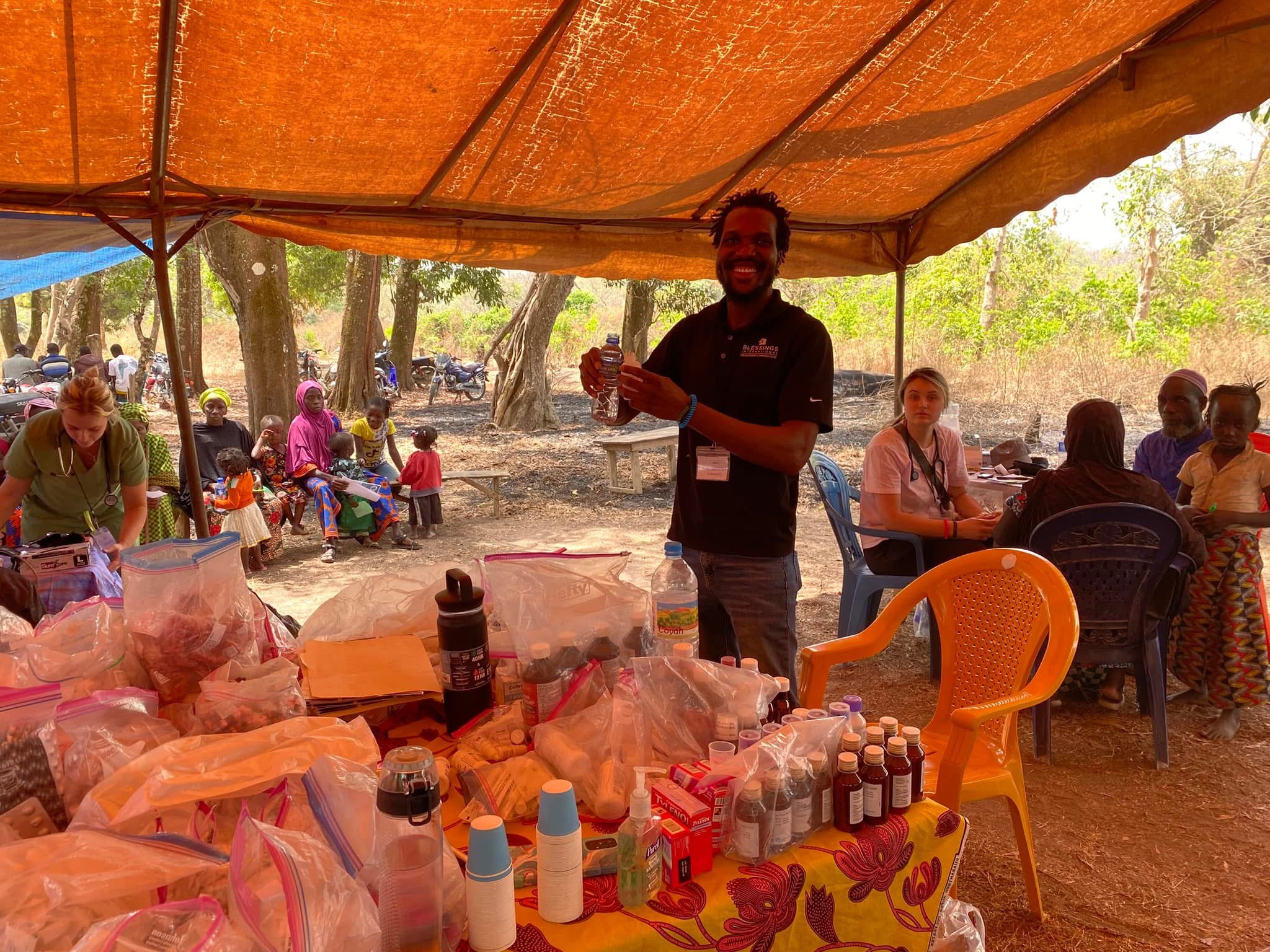
He joined a Mission Partners For Christ team in Guinea, West Africa, and what he saw changed the way he thinks about the boxes he packs every day. “I know the work we do is extremely important,” he said, “because I was on the other side. I grew up in Haiti.” Jean described watching people in remote villages wait hours to be seen, knowing that for many of them, this mobile clinic was their only access to healthcare. “Most of the places, including my original country — they will not be able to get anything if we don’t go, if we don’t bring it.”
He came back to work with fresh eyes.
The Work Doesn’t Stop With The Plane Takes Off
What Jean experienced firsthand is something Mission Partners For Christ has been committed to since its founding: the work doesn’t stop when the plane takes off.
In Guinea, the team treated conditions common throughout West Africa — malaria, high blood pressure, diabetes, infected wounds from walking without proper shoes. For the most serious cases, patients were referred to the nearest hospital for additional care. But the presence doesn’t end there. Local doctors and on-the-ground partners remain actively involved in the communities MPFC serves, sending regular reports and updates back to the team in the US. Local pastors returned to those same villages every other month to follow up with people who had come to faith. A church has since been planted among that people group, just over the border into Sierra Leone — something the team never expected when they first arrived.
“We have to know there’s going to be continued followup,” says MPFC founder Sheri. “It’s not just that we come in and leave.” Community development is built into every trip: evaluating local water sources, funding clean water wells where possible, distributing audio Bibles to new believers. It’s a model built on relationship, not just relief.
That kind of sustained presence requires real infrastructure — and that’s where partnerships like the one between MPFC and Blessings International become essential.
The Integral Role of Blessings International in Medical Missions
Blessings International doesn’t just ship medicine.
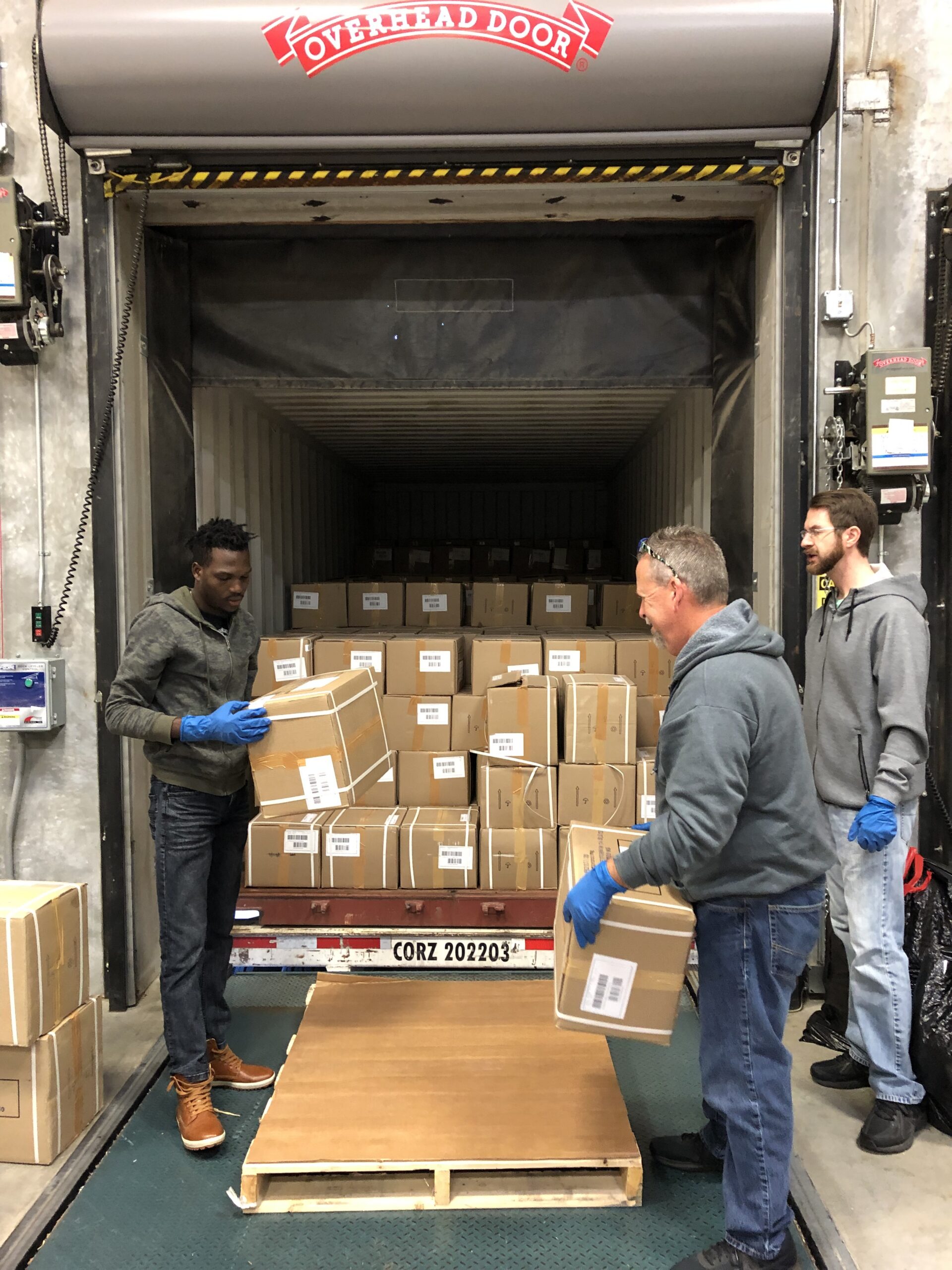
They navigate the layers of documentation that make international medical missions possible: country-specific import laws, certificates of analysis, physician licensing, pharmaceutical board requirements that change from one government to the next. And those requirements are moving targets — laws shift, countries update their import policies, and what worked last year may not work this year.
What sets Blessings apart is how they handle those complications. When a substitution is needed, they don’t make the change automatically — they communicate it with the customer first, explain the alternative, and wait for approval before moving forward. When MPFC needed to travel to a country that wouldn’t accept medicine sourced from India or China, Blessings sourced alternatives from US wholesalers without missing a beat. They also help mission teams track down hard-to-find medications that most suppliers can’t locate — and when orders ship directly to a country, Blessings provides the full documentation package needed to clear customs: lot numbers, manufacturer information, expiration dates, and more.
This isn’t just a business for those who work at Blessings International. It’s a true ministry and a way of life. Twice a week, on Tuesdays and Thursdays, the entire Blessings staff gathers for devotions and prayer — a practice that reflects just how seriously they take their role in the global missions field. This isn’t simply a supplier relationship. It’s an organization that sees itself as part of the mission.
“Every team member is committed,” Jean says of his colleagues. “They will have the patience and really find the best way to help the customer.”
That patience has a price tag. The malaria medicine alone to treat a single patient costs about $5. A team might see 300 people with malaria in the course of a week. Medication costs for a single trip can reach $6,000. This is the work behind the work — the part that doesn’t fit neatly into a photo caption.
“God will Meet Us Where We Need to Be”
Jean is already thinking about his next trip. “I’ve been thinking about it,” he admits with a smile. And it’s not hard to understand why.
He talks about his time in Guinea the way people talk about moments that reoriented them — especially the night he was asked, with almost no notice, to preach a message of salvation to a crowd the following morning. He did it. And a woman approached him afterward, telling him that God had been calling her to come to Him, and that Jean’s words had moved her.
“God will meet us where we need to be,” Jean says. “We don’t have to be an expert. We don’t have to know it all.”
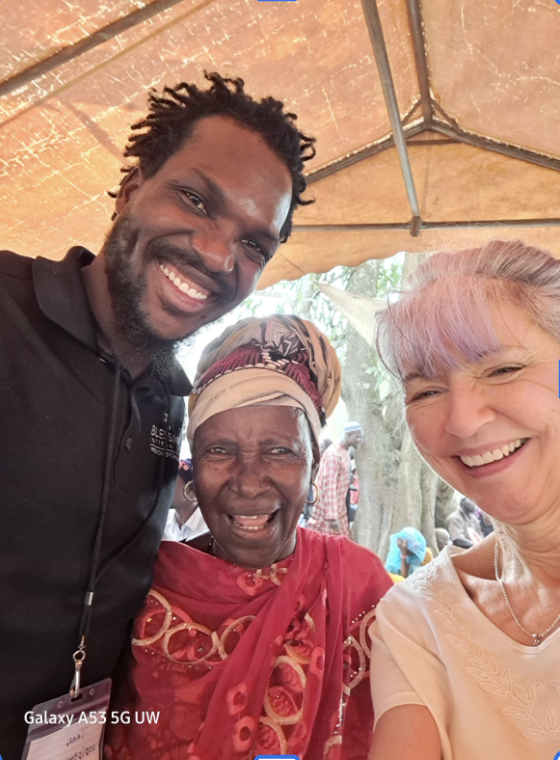
That woman’s face is still with him. The work continues because of people like her — and because of partners who believe it should.
If you’d like to be part of the work Christ has called MPFC and Blessings International to:
- Support Mission Partners For Christ at missionpartnersforchrist.org — 100% of your donation goes directly to the work in Africa.
- Give to Blessings International at blessing.org/get-involved — your gift helps keep medicine costs low so more teams can reach more people.
Together, we can make sure the work doesn’t end when the plane lands.
Dive Deeper With Jean To Hear About The Ministry of Blessings International