
There is a moment that happens on nearly every medical mission trip we take. The clinic tables are set up. The medication is sorted. The line of patients stretches far beyond what we expected. And somewhere in the middle of it all — between treating a wound that has gone untreated for months, or handing a child their first pair of shoes — someone hears the name of Jesus for the first time.
That moment is why we go.
But what happens after we leave?
It is the question we carry home with us every time. And it is the reason that audio Bibles have become one of the most important things we pack.
What We Have Seen With Our Own Eyes
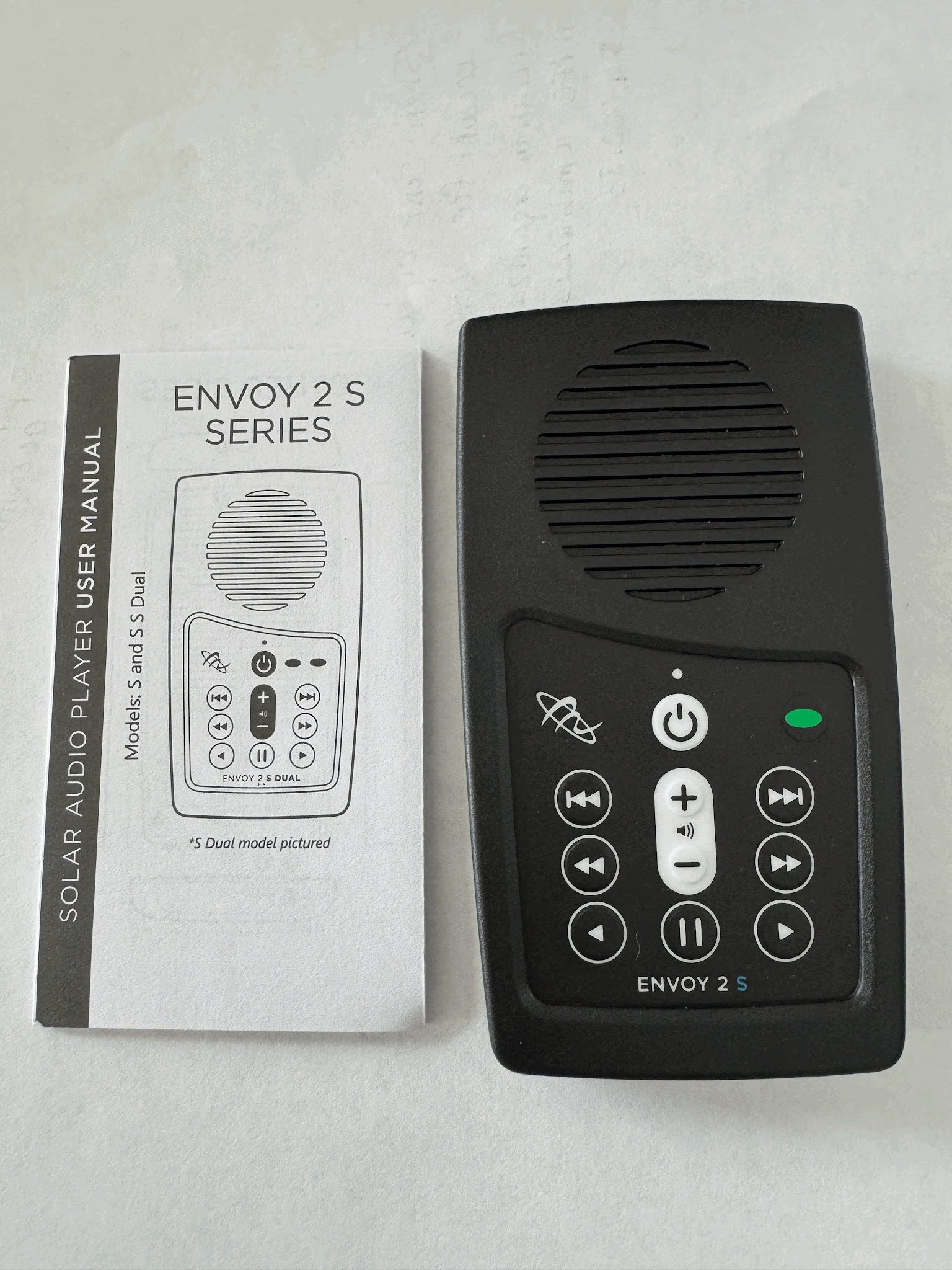
In February 2023, our team traveled deep into Guinea, West Africa, to serve a people group in a remote community we will call “K” — a place so isolated it required a flight with Mission Aviation Fellowship just to reach. We brought with us 84 solar audio Bibles loaded with micro-SD cards, preloaded with the gospel message in the local language.
We did not bring them as an afterthought. We brought them because we had learned, through years of serving in communities just like this one, that a printed Bible — however precious — is of limited use when most of the people receiving it cannot read. And even when literacy is present, a Bible in a foreign language is a book that stays closed.
An audio Bible in someone’s own heart language is different. It is the Word of God spoken aloud in the voice of their own people, in the sounds and rhythms they grew up with, in a form they can share with a grandmother who cannot see and a child who has never been to school.
We watched that happen in Guinea. We have watched it happen in Sierra Leone, in a closed island nation in the Indian Ocean, and in communities across the African continent. It changes things.
The Need Is Larger Than We Often Realize
We tend to assume that access is the primary barrier to hearing the gospel. If people just had a Bible, they would read it. If they could just find a church, they would attend.
But the reality on the ground is more complicated.
A recent study has show that nearly 10% of the African population lives with some form of visual impairment, including blindness.
In many of the communities we serve, literacy rates are also extremely low. The World Data Bank reveals that adult literacy rates across African are below 70%, and in some countries as low as 30%. This shows that a significant portion of the African population is cut off from accessing the written word.
In addition, in many locations the Bible has never been translated into the local language at all — or if it has, printed copies are scarce and expensive. In still others, the communities are so geographically isolated that a local church simply does not exist within walking distance.
And then there are the places where faith itself must be practiced in secret. On a recent trip to a closed island nation in the Indian Ocean — a country where residents are legally required to practice Islam and believers risk persecution and imprisonment for their faith — we were able to gift audio Bibles in the local language to a small, faithful community of believers who worship in secret. For these brothers and sisters, an audio Bible is not just a spiritual resource. It is one of the only safe ways to access the Word of God at all.
“It’s not just that we come in and leave,” says MPFC founder Sheri Postma. “Community development is built into every trip: evaluating local water sources, funding clean water wells where possible, distributing audio Bibles to new believers. It’s a model built on relationship, not just relief.”
One Device. Many Lives.
One of the things we have come to understand about audio Bibles is that they multiply.
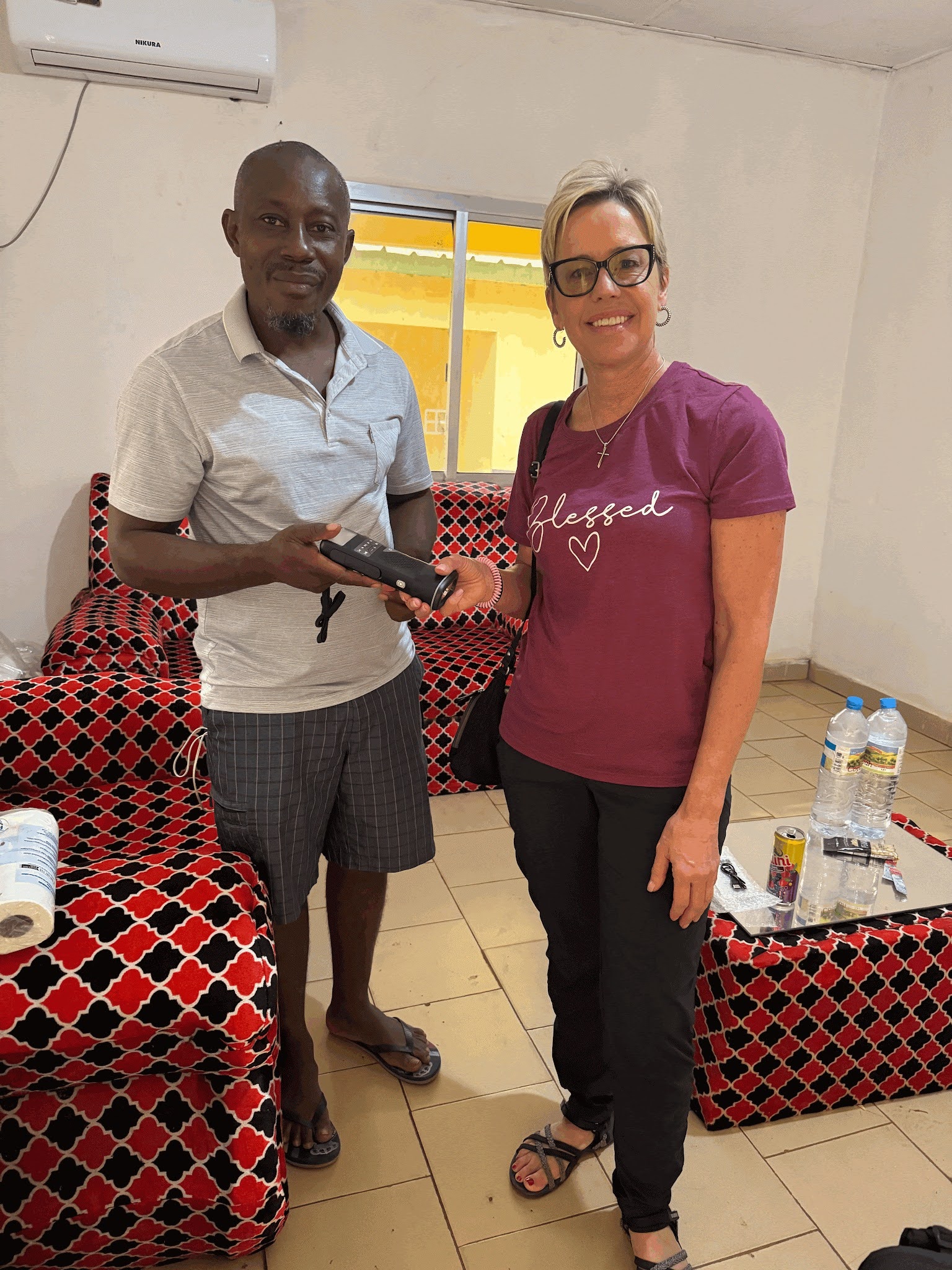
When we place a solar-powered device in the hands of a local pastor or church leader, we are not just giving one person access to scripture. We are giving their entire community access. Local pastors and evangelists can take these devices into neighboring villages. Families gather around them in the evenings. A grandmother who cannot read passes it to her grandchildren. A new believer shares it with a neighbor who is curious but hesitant.
Pastor Wilmot, a long-time partner, has used audio Bibles in exactly this way. He has brought them to communities during medical outreach, left them with new believers after our teams depart, and returned months later to find people still listening, still growing, still sharing what they have heard. He has watched people come to faith through them. He has watched entire families be changed.
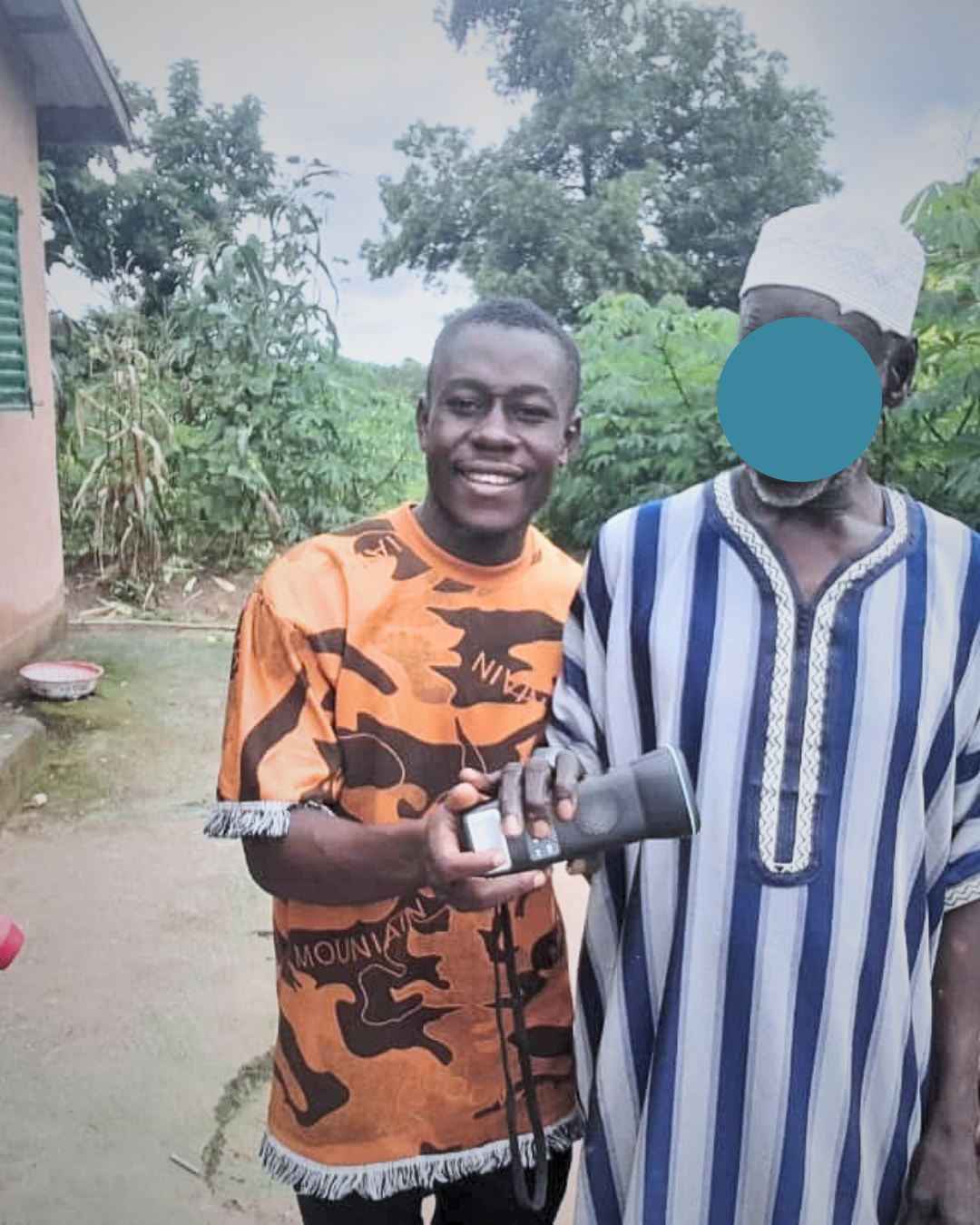
In the closed island nation mentioned previously, the solar audio Bibles we left behind — funded through our partner organization Momentum in Missions — are now helping to sustain a local church community that finally has access to the Bible in their own language.
Long after our team returned home, the Word of God remained and has changed lives and souls.
Why This Matters to Us
Medical missions, at their core, are about meeting people where they are. We go because bodies need healing. We go because people are suffering in ways that are both preventable and treatable. We go because Jesus went — to the sick, the overlooked, the forgotten.
But we also go because of what Jesus said to the people he healed: Your faith has made you well. He did not stop at the body. He always went deeper, to the soul, to the eternal.
Audio Bibles are one way that we try to honor that. They are how we make sure that the work we do in four days of medical outreach can continue to bear fruit for months and years afterward — in the voices of local partners, in the gatherings of small house churches, in the quiet of a village evening when someone presses play and hears, for the first time, the story of a God who came near.
How You Can Help
This summer, Mission Partners for Christ is raising funds to send solar audio Bibles to the communities we serve — including our upcoming trip this fall.
$35 places one audio Bible in the hands of a local believer or pastor. We are seeking to raise $6000 to place as many solar audio Bibles into the hands of Africans as possible.
Every cent of every gift goes directly to the cause.
Give Today →