When our team arrived in the Tennet region of South Sudan in February, we learned something shocking that stopped us in our tracks.
The region has six boreholes. Only one still works.
Think about what that means. Somewhere between 10,000 and 20,000 people live in the region, and for most of them, the nearest safe water is a rumor, not a reality. Let us tell you what we saw, and why we’re asking you to help change it.
A forgotten corner of the world
The Tennet are an indigenous people group living in a remote part of South Sudan. They’re scattered across the mountains in roughly thirteen villages. Our team of eleven visited four of them.
Most of the world has never heard of the Tennet people. Even people in Juba, the capital city of South Sudan, just hours away, are unaware they exist. There is no electricity. There is no cell service. There are no roads safe enough to travel with any confidence, and there is almost no access to medical care.
It’s also a young community. Couples often have up to seven children to provide for, and there is no real source of income for nearly anyone, apart from a few hunters.
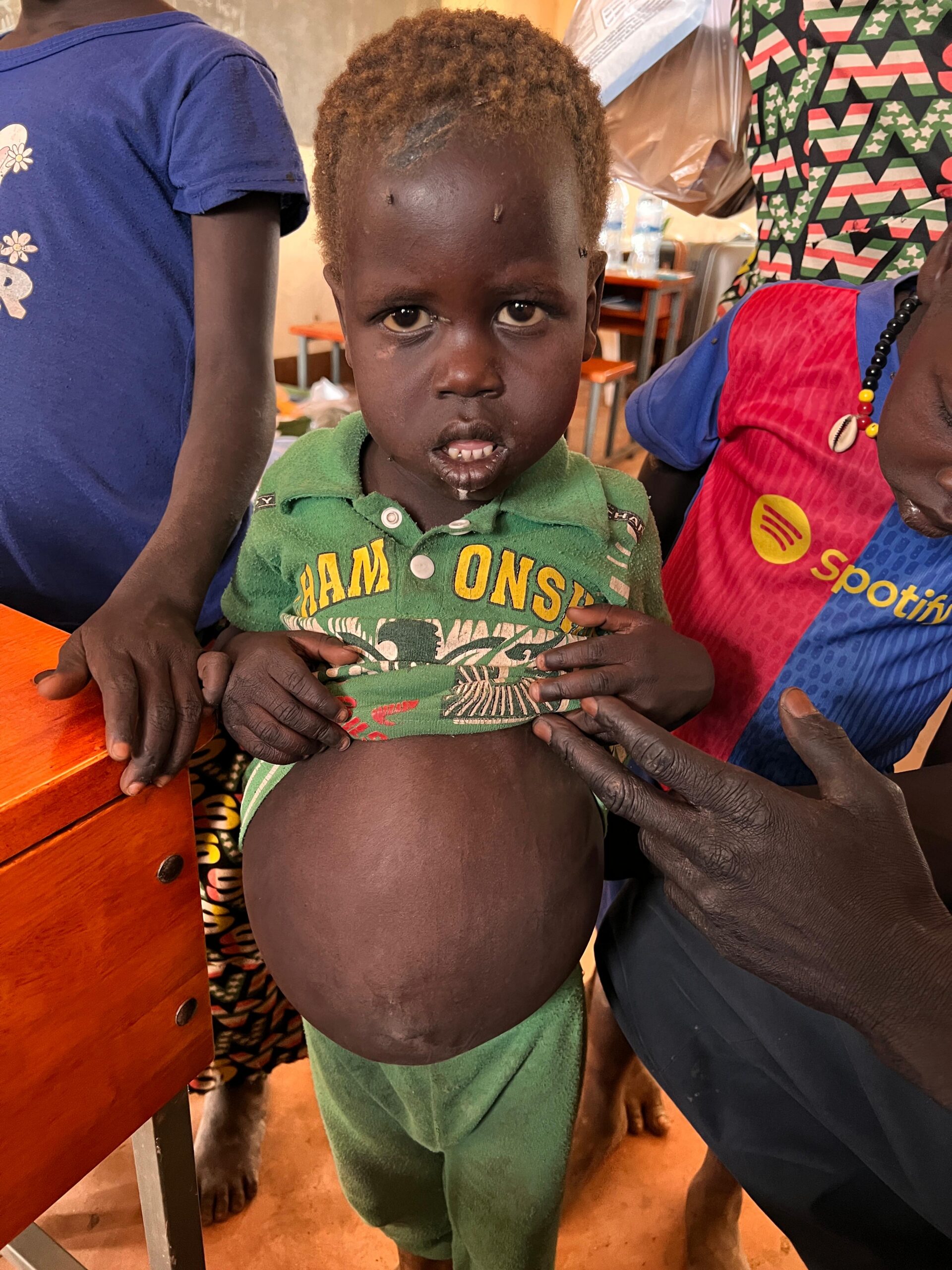
Families eat what they can find: greens from trees, and meat when a hunt succeeds. There are no grocery stores or food banks to visit. Malnutrition is everywhere.
Six boreholes, one working
Six boreholes were drilled to serve the region. Five are broken. That’s the part that haunts us, because someone cared enough to build them. But a well that no one is equipped to maintain eventually becomes just a hole in the ground.
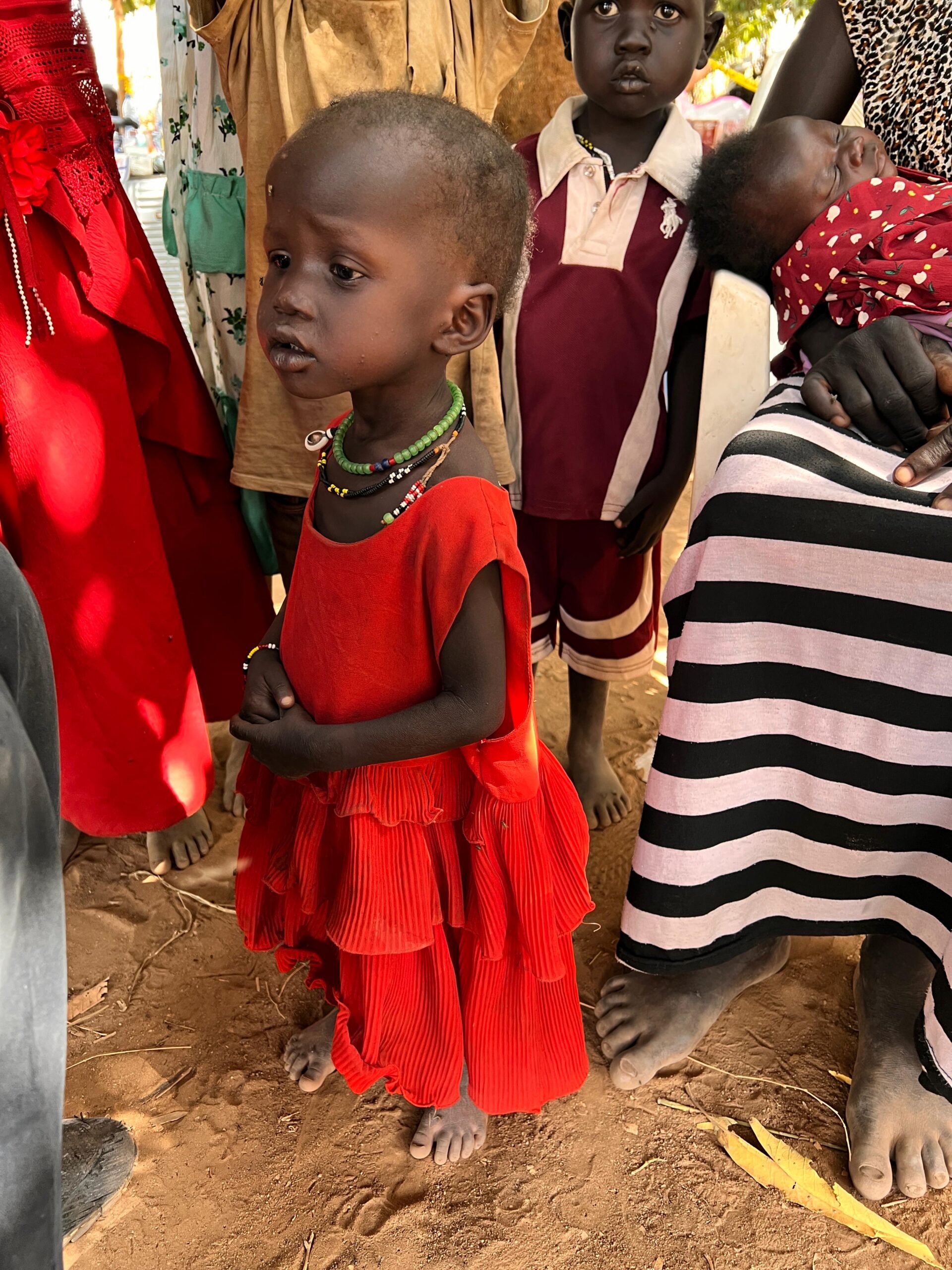
So people go back to what they’ve always done. They walk miles, often barefoot, to a pond. It’s a pond shared with animals. It’s used for drinking, bathing, and washing. They carry the water home in jugs that are never as clean as anyone would like.
When our home team asked how many people had intestinal parasites, Sheri’s answer was simple: one hundred percent.
What that water does
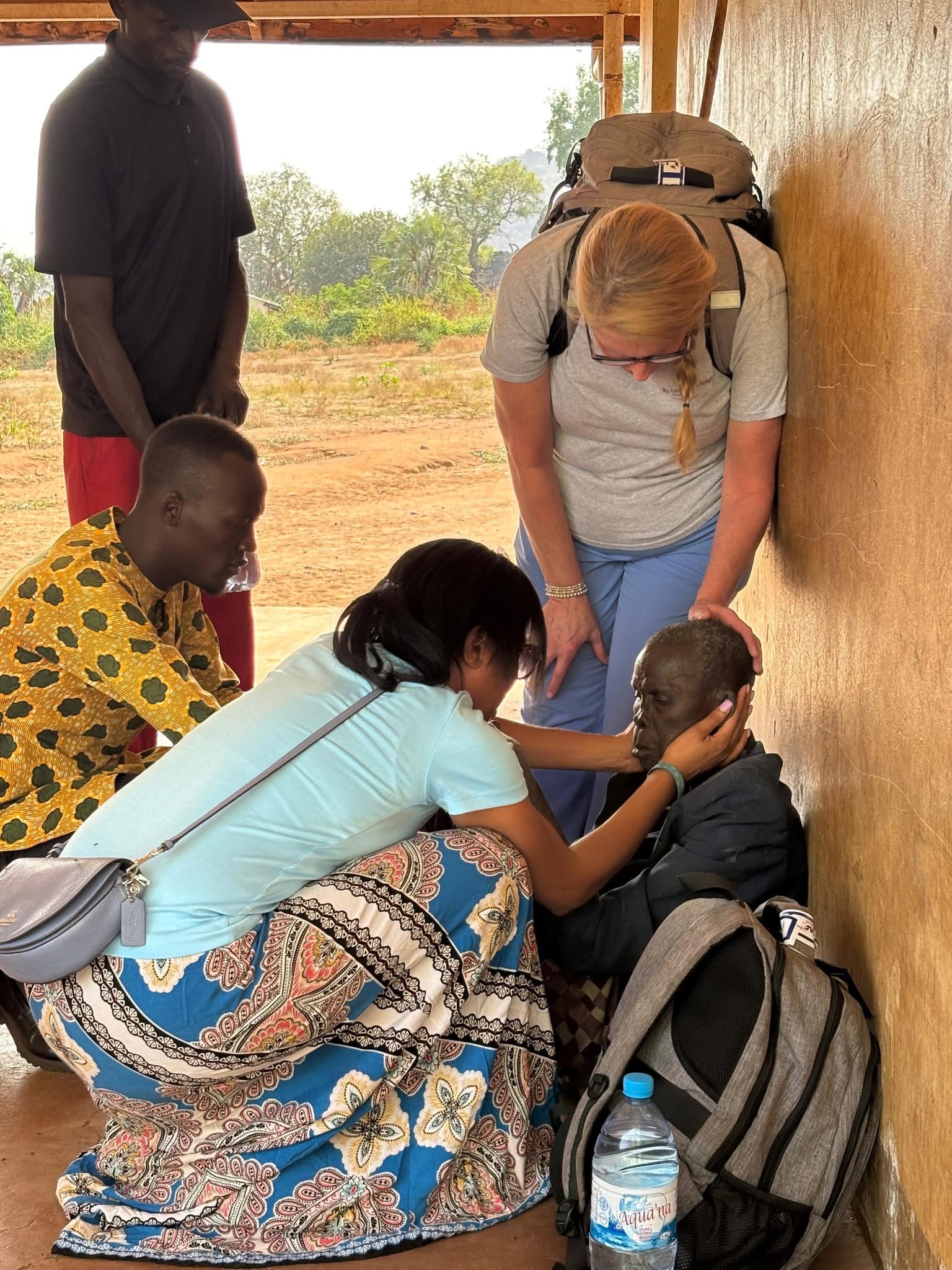
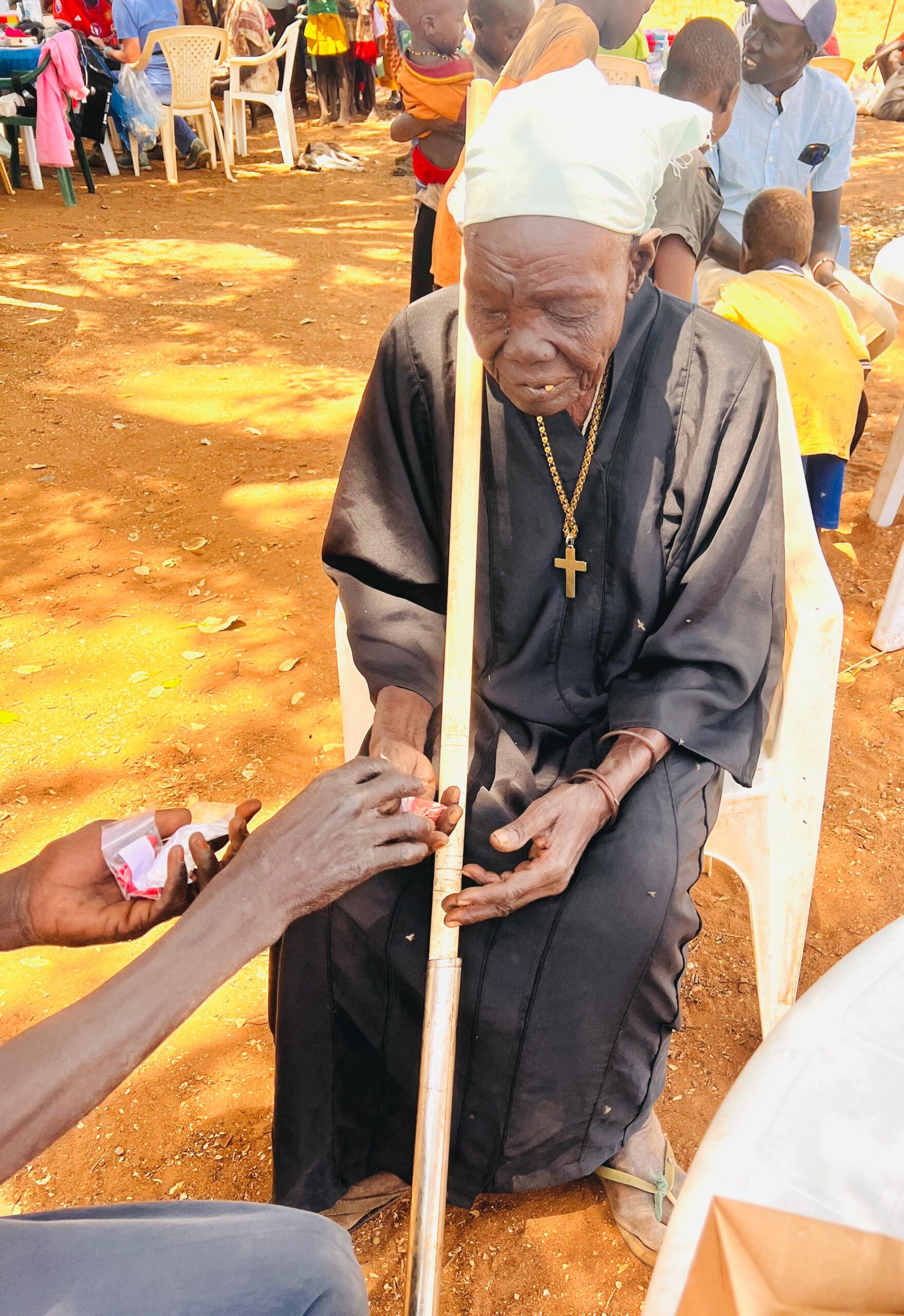
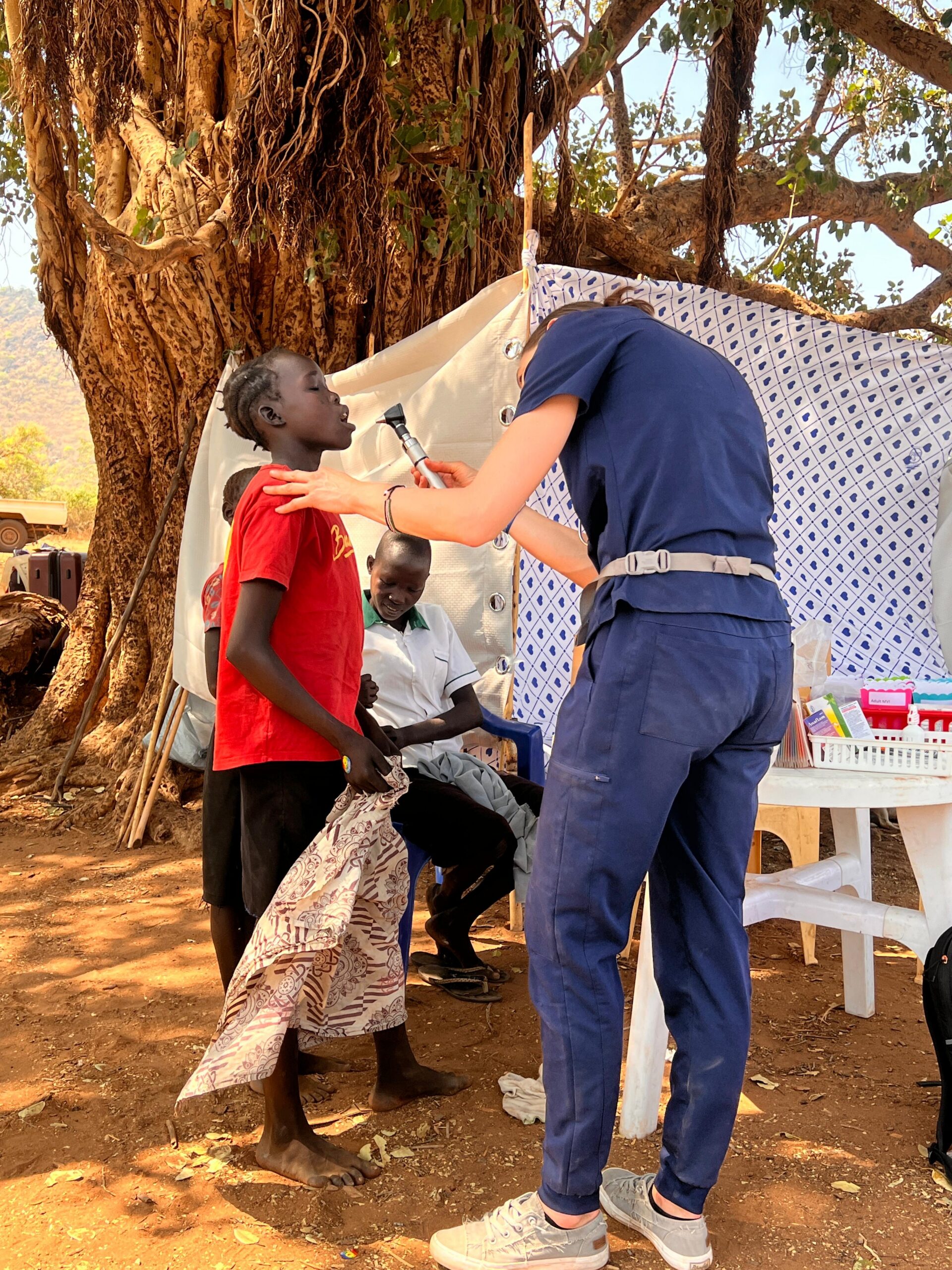
We saw the results of that pond all week. Wounds and infections that, in another part of the world, would have been treated days or weeks earlier. Skin problems. Children with chronic stomach pain. And an unusual, heartbreaking finding: young children with cloudy eyes, consistent with cataracts, something Sheri linked to the daily use of contaminated water and the harsh sun.
Then there was the baby.
A one-year-old, who weighed just six pounds, was brought to our clinic. At first, he appeared lifeless. We feared the worst. After IV fluids and prayer, he perked up. We still pray for him.
Sheri estimates that life expectancy here may only be 40 to 45 years, a result of neglect, scarce resources, and very little health education.
The handshake problem
Here’s a detail we haven’t been able to shake:
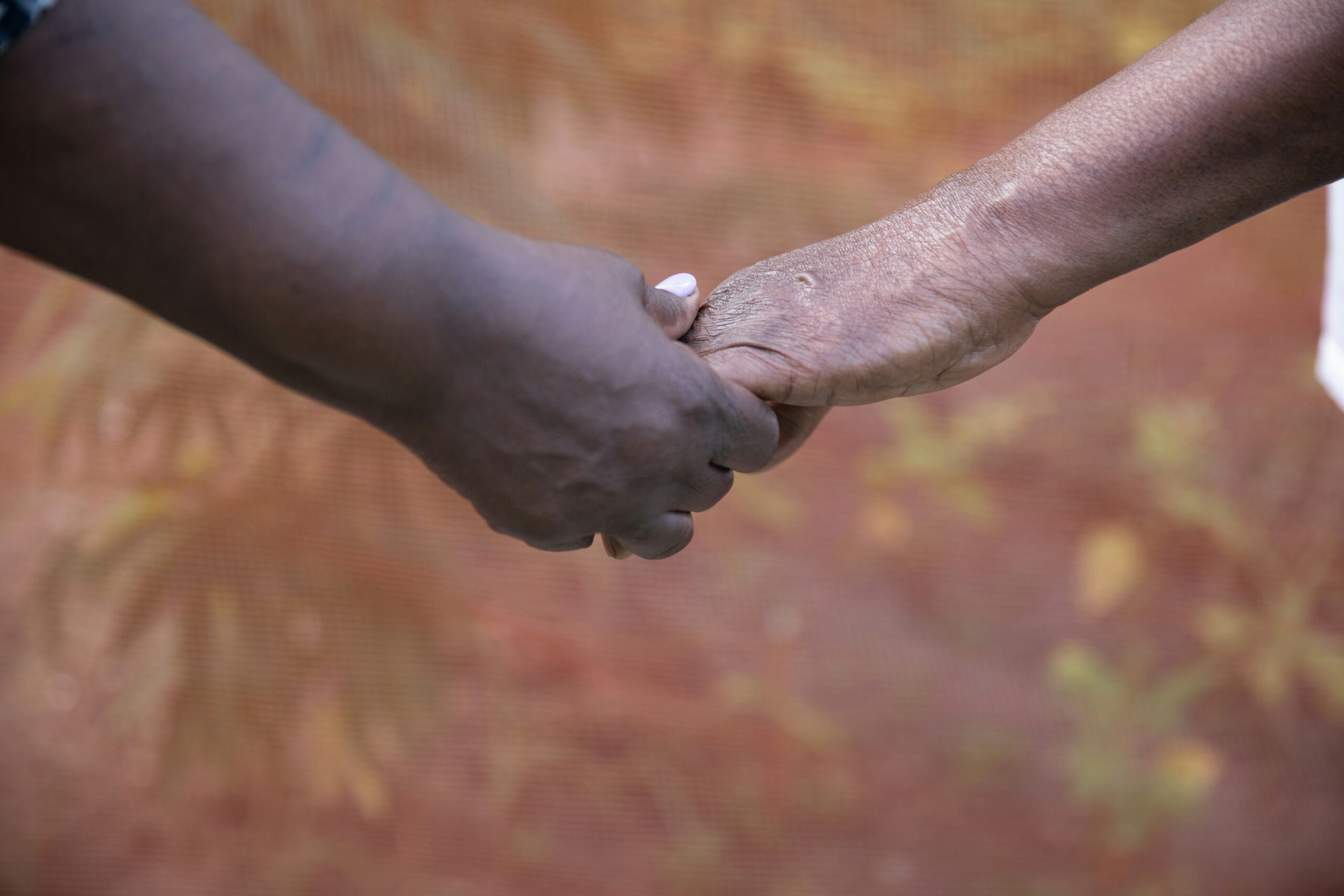
The Tennet greet one another by shaking hands. All the time. It’s a warm, deeply rooted cultural expectation, and nobody would want it to change.
But no one washes their hands, because there is no clean water to do it with, and health education around the importance of handwashing is nonexistent.
So every greeting can pass sickness along.
Our health educator, Kathleen, taught handwashing at every visit, using illustrated guides. The local pastor, one of very few believers in the area, told us health education is the single greatest need his community has.
But the question kept coming back to us, and we couldn’t answer it: wash with what?
Why water comes first
When we think about helping a community, there’s a temptation to list a dozen needs and try to meet them all. But in the villages we serve, clean water isn’t one need among many. It sits underneath nearly all of them.
Children who aren’t sick can stay in school. Mothers who aren’t walking for hours can tend their families and their gardens. Parasites that are no longer in the water can’t weaken a child’s body. And a well becomes more than a water source. It becomes a gathering place where relationships form and the love of Christ can be shared naturally.
And God is already moving in this region. By the end of our time among the Tennet, 569 people had committed their lives to Christ. They need discipleship, and they need health. They need someone to keep showing up.
What we’re asking of you this Christmas season
This Christmas, our Clean Water for Christmas campaign is raising $19,560 to fund one clean water well in Village Agbedipe, Togo, by December 31. A well keeps serving a community long after our team goes home. It opens the door for long-term conversations about Jesus with people who have waited far too long for someone to notice.
And here’s the part we’re most excited to share. If we reach that goal by December 31, a generous donor will fund a second well among the Tennet people, the same community you just read about.
One well for Agbedipe. A second for the Tennet people. It starts with this one.
Matching week begins November 26, and we’ll tell you more soon. For now, if you’d like to be part of this, you can give now:
Thank you for caring about people most of the world has never heard of. We believe God hasn’t forgotten them, and neither will we.