,There is a people group in South Sudan — the Tennet — that most of the world has never heard of. Even residents of Juba, the country’s capital city just ten hours away, are unaware that they exist. They live scattered across mountains in a remote county called Arilo, walking miles, barefoot to collect water from a shared pond also used by animals. They have no electricity, no cell service, no roads that are safe to travel, and almost no access to medical care.
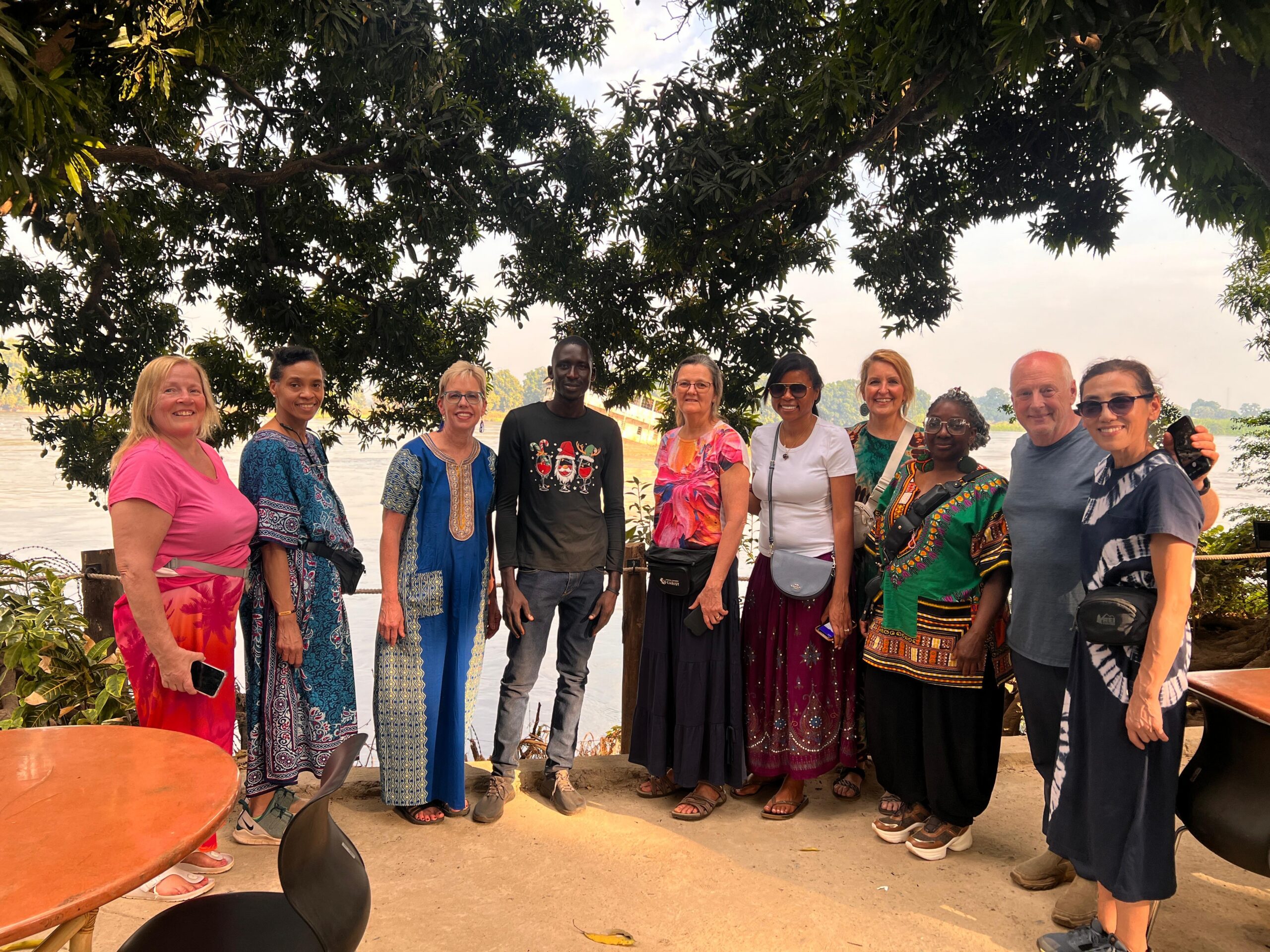
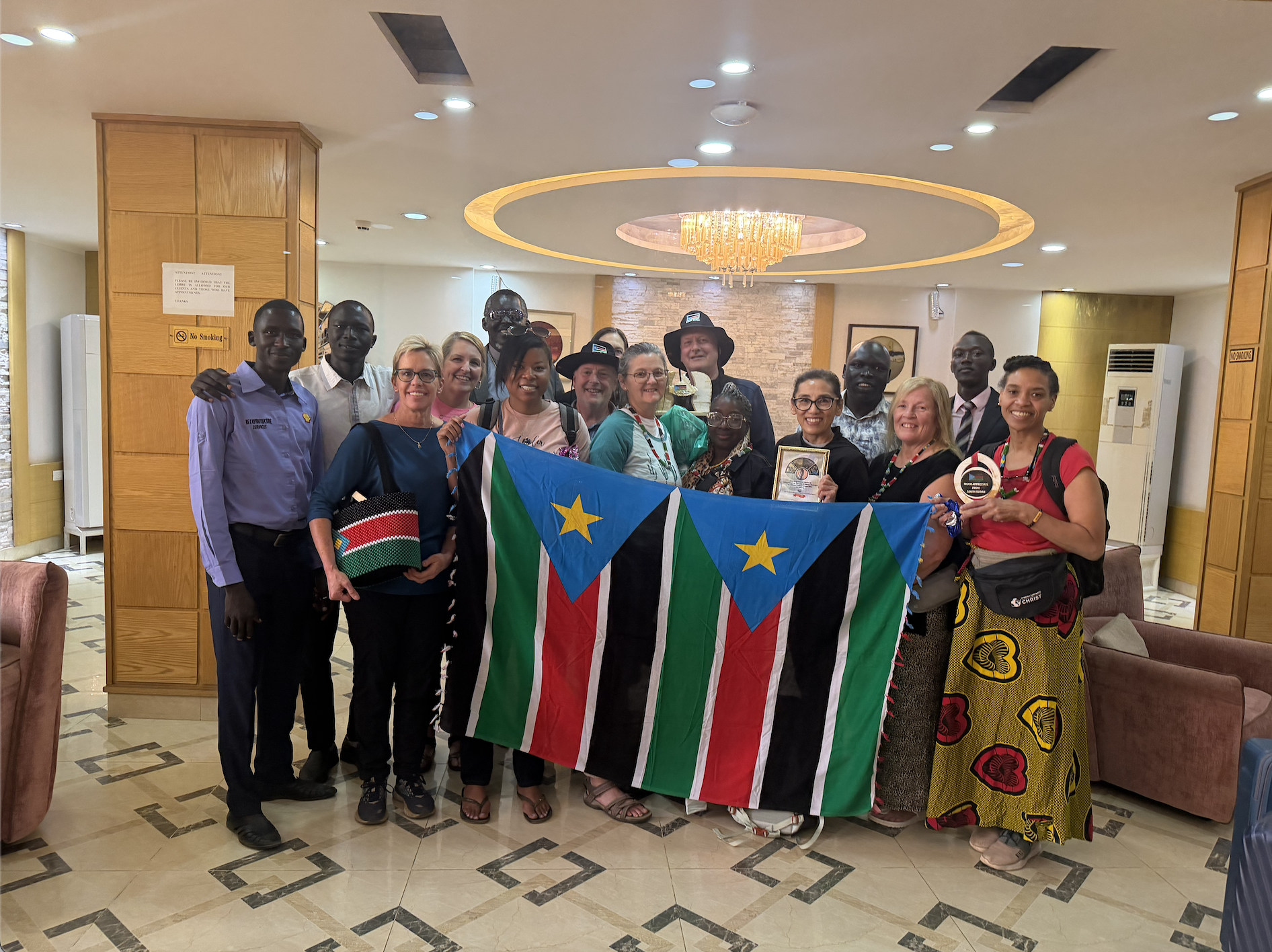
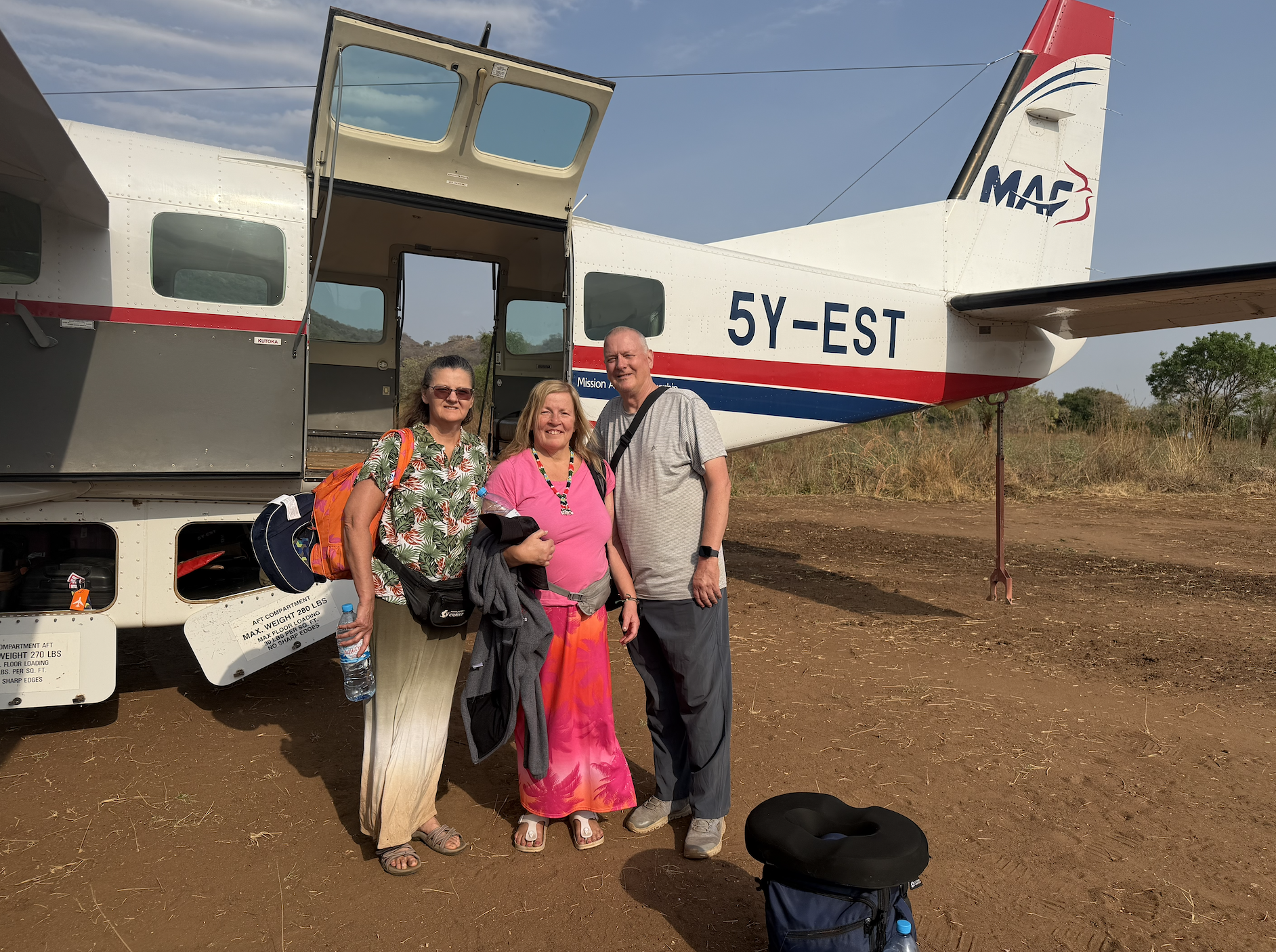
In late February 2026, our eleven-person team from Mission Partners For Christ made the journey into that forgotten corner of the world. It was not easy, or safe, or comfortable, but because God called us to go so we went.
If the world ends today, I’m going to get to heaven and I’m going to see 569 Tennet people. And that gets me excited.
— Sheri Postma, MPFC Founder
When God Says Go and the World Says Don’t
Getting to South Sudan was no simple task. In the weeks leading up to our departure, we navigated a series of bureaucratic obstacles: delayed medication approvals, a surprise verification requirement, questions about tax exemptions, and the looming reality that South Sudan is a country on the brink of civil war. Hospitals in Juba had recently been raided. Medicine had been stolen. The U.S. State Department had the region listed at a Level 4 security designation.
And still, we went.
For many on our team, the hardest battle wasn’t logistics. Rather, it was the voices closest to us. Family members pleaded with us not to go. Friends questioned our judgment. Some begged us to stay.
But we are people who had heard from God, and we chose to listen to Him over every other voice.
Three team members, each independently and before the trip began, received specific words of encouragement and direction from the Lord.
Cherry was woken at 2:24 a.m. on February 24th (the first morning of our medical outreach) with a verse about God going before us, and felt an overwhelming sense of peace. Kathleen felt God clarify that she was going specifically for the children. Tammy received a vision in January of a man preparing the soil for seeds we would plant. This vision was, we believe, fulfilled through our host partner, Nelson, a remarkable 28-year-old South Sudanese leader who organized and served our team with extraordinary faithfulness.
God was already at work before we ever boarded a plane.
Who Are the Tennet People?
The Tennet are an indigenous people group living in the Arilo region of South Sudan, estimated at between 10,000 and 20,000 people across approximately 13 villages. We visited four of those villages during our time on the ground.
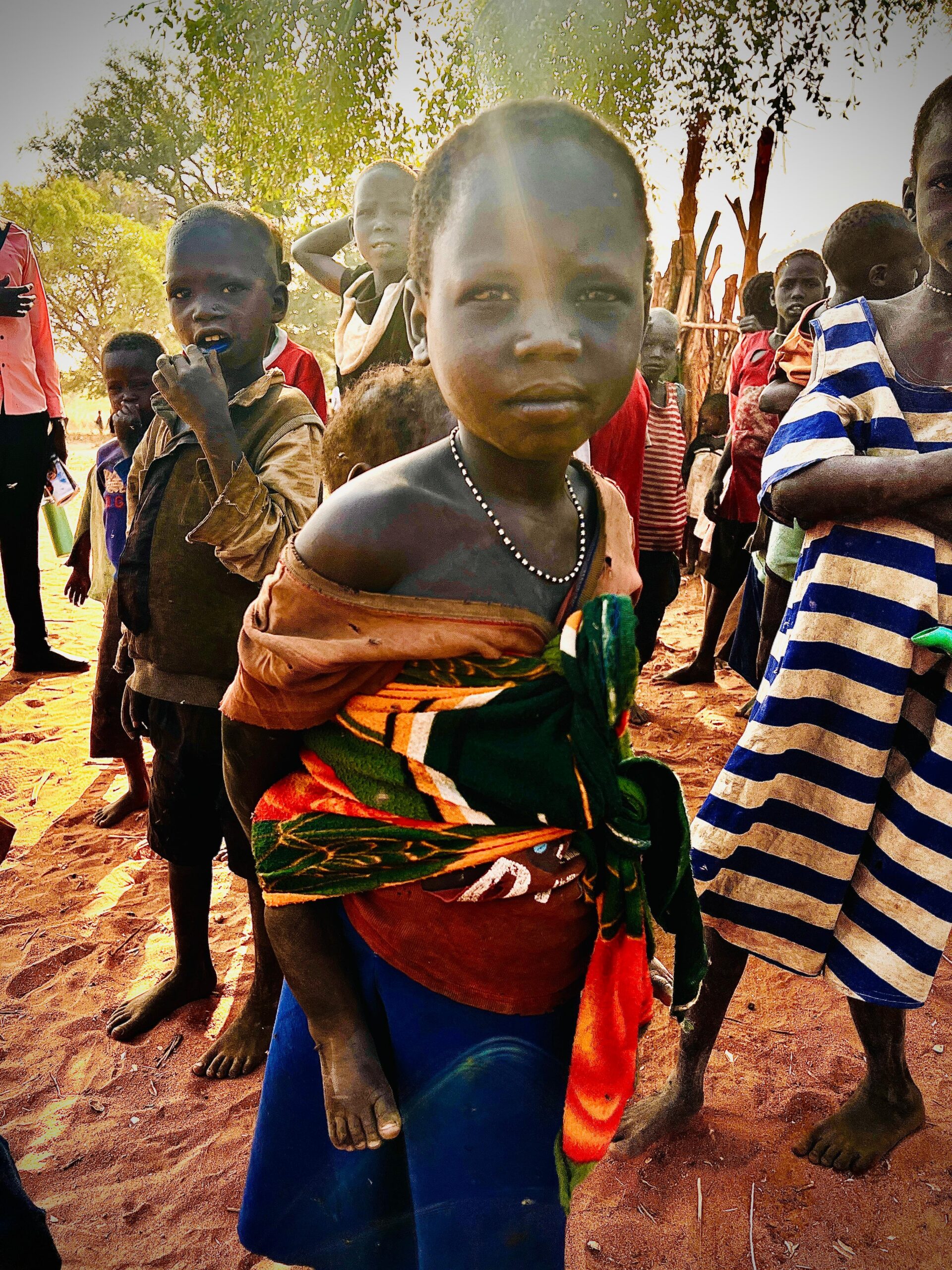
The population is strikingly young. Families are large. It was common for us to meet mothers with five, six, or even seven children. Yet the lifespan in this region is estimated to be only 40 to 45 years, a tragic consequence of government neglect, extreme isolation, and a near-total absence of medical resources or health education.
There is no income-generating economy to speak of, though a handful of hunters might sell what they catch. There are no markets, no schools with functioning teachers, and no accessible roads that allow people to leave for opportunity. The few boreholes that exist — six in the region — have largely fallen into disrepair.
During our visit, only one was operational. Community members have not organized to maintain them, and a repairman willing to fix one of the wells could not secure the support or compensation needed to do so.
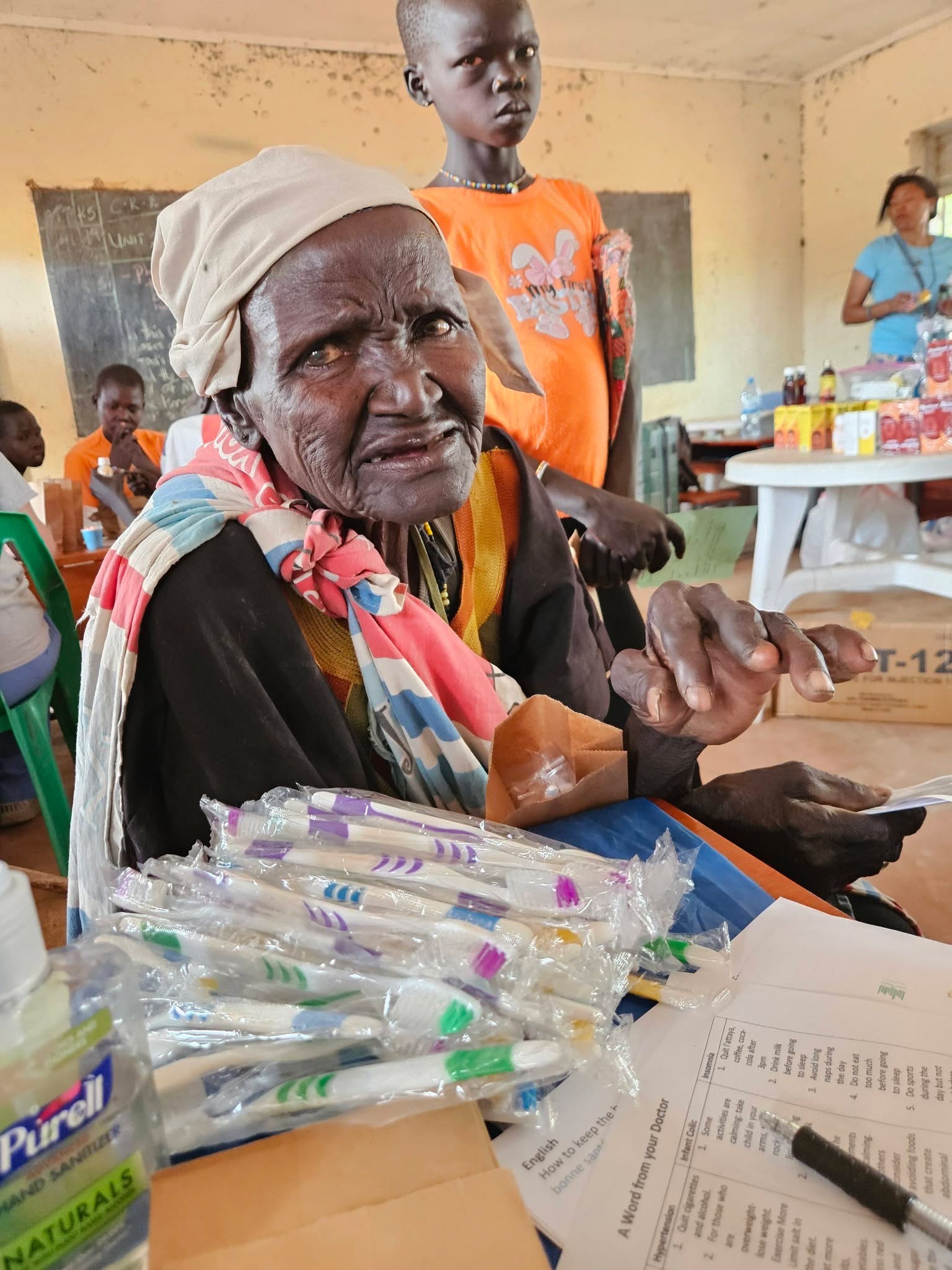
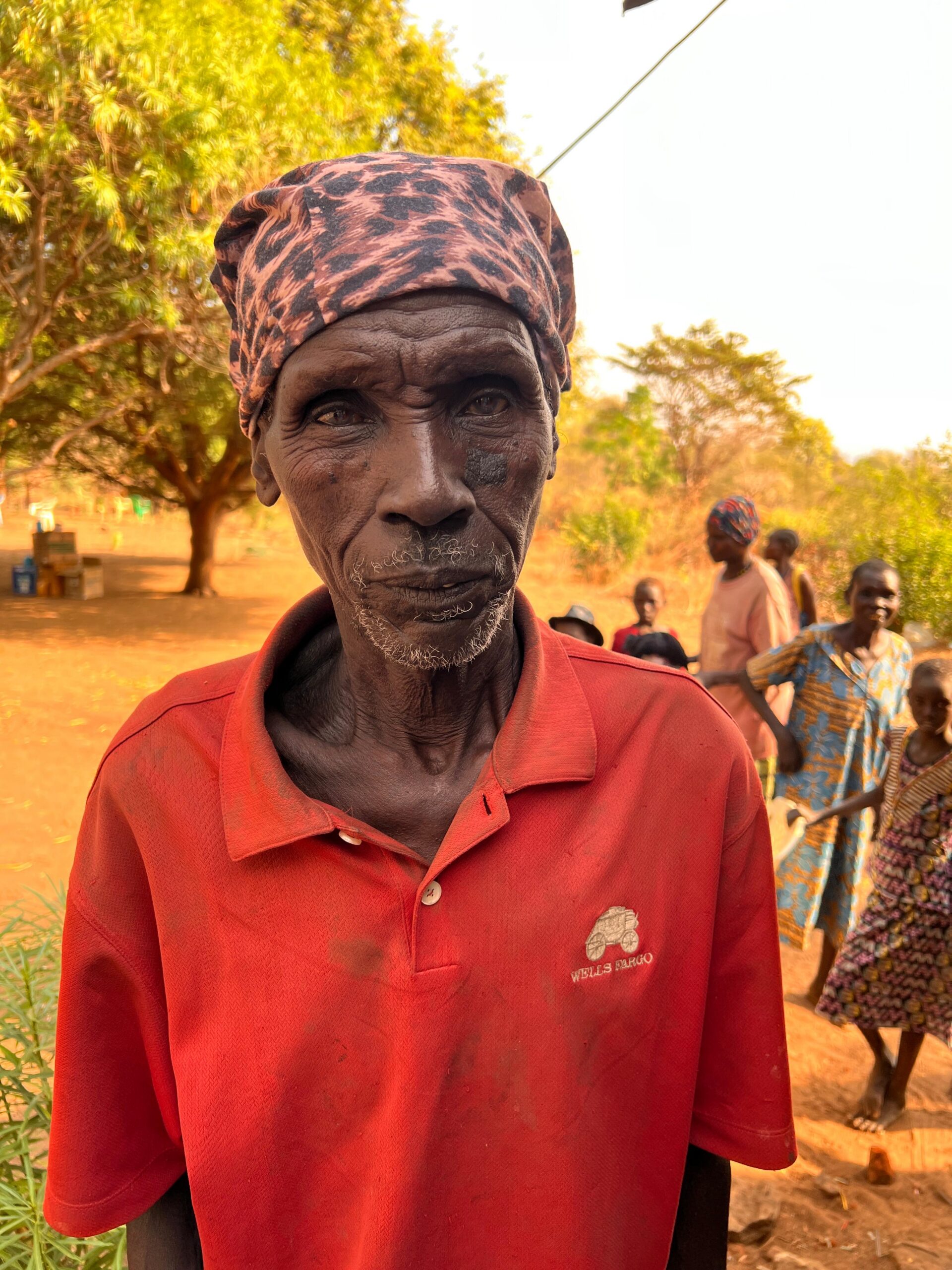
What struck us most deeply was the look on people’s faces. Unlike other communities we serve across Africa, where people come out in their best clothes, smiling, hopeful, these people look weary. Forgotten. Stuck in cycles that have persisted for generations with no visible path forward.
Even the community health worker assigned to the region, a local person, from within these villages, sat passively during our wound care sessions. He showed little interest in learning or engaging. The hopelessness runs that deep.
What the Team Found on the Ground
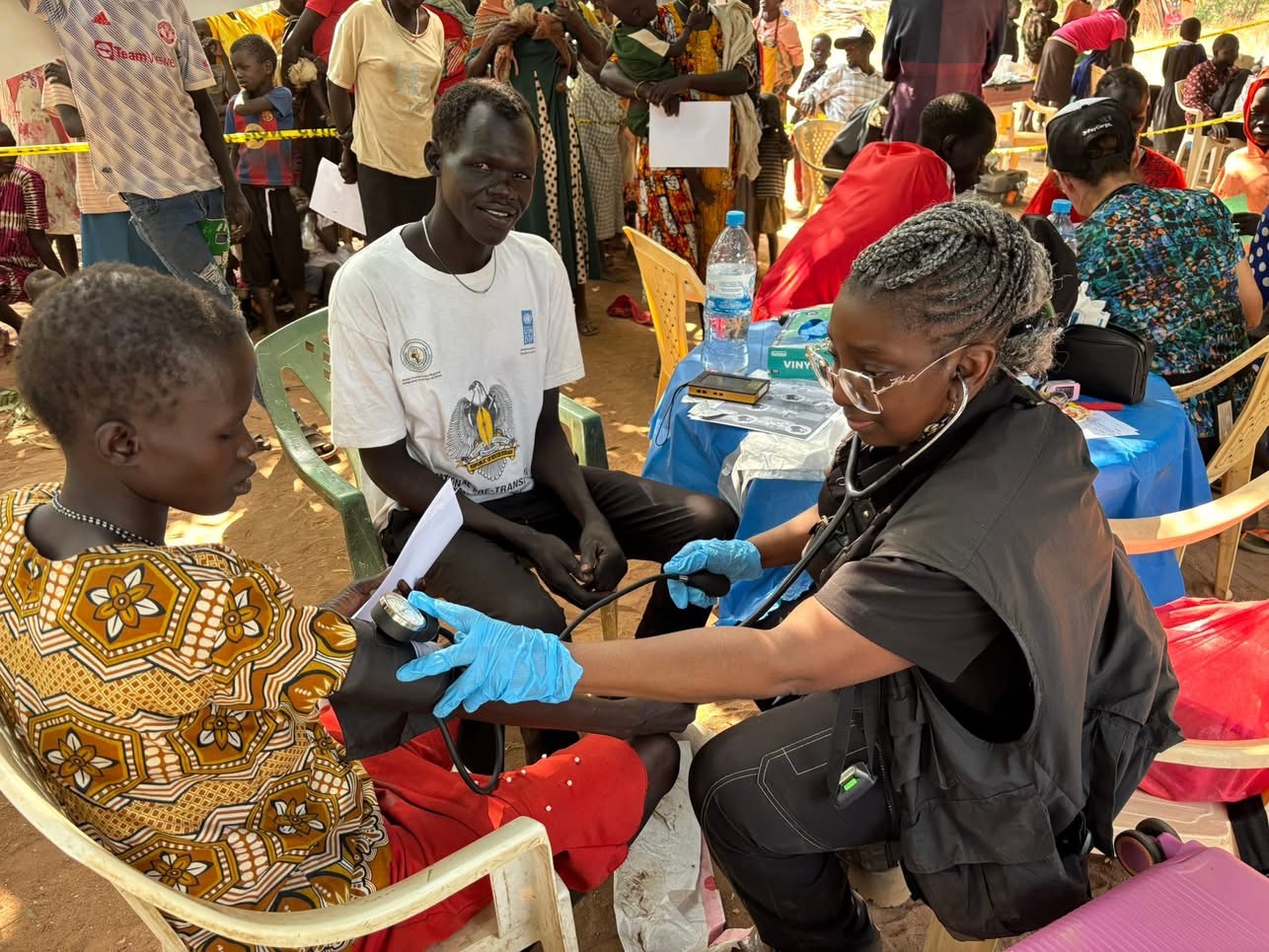
In five days of medical outreach, we saw 1,572 patients. What we encountered was consistent and severe.
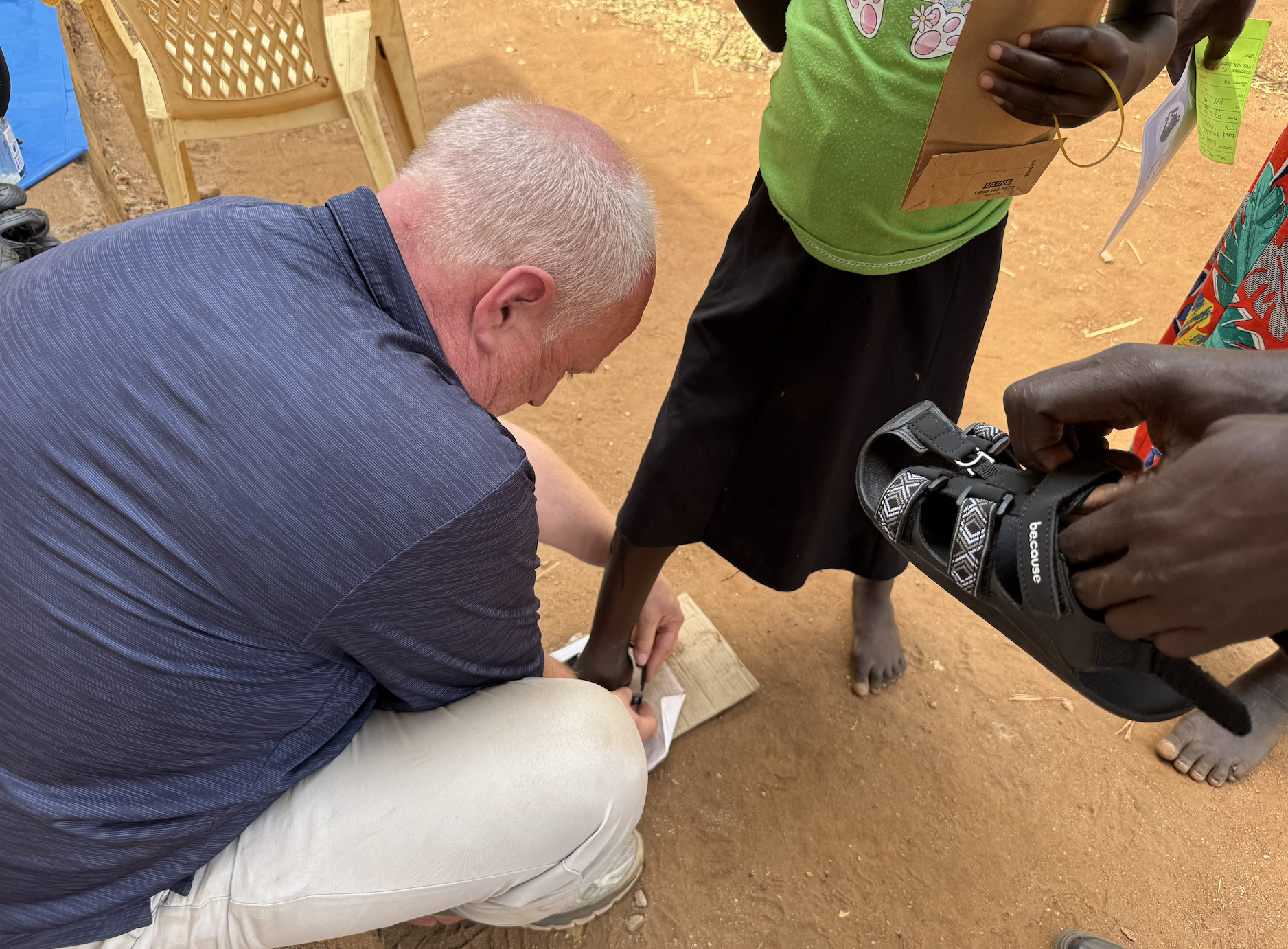
Almost every person — child and adult alike — suffered from intestinal parasites from contaminated drinking water. Wound care was a dominant need: more than 150 patients presented with injuries that had gone untreated, some for extended periods, because no one had the medicine or training to address them. We worked through wounds of all kinds, treating infections that in other parts of the world would have been addressed days or weeks earlier.
In an unusual and heartbreaking finding, young children presented with cloudy eyes — consistent with cataracts — a condition we attributed to prolonged sun exposure and the same contaminated water sources that drive so many of the region’s other health crises. Unlike most communities we serve throughout Africa, we did not treat a single patient for high blood pressure or diabetes. The Tennet people have never encountered processed food or sugar-sweetened drinks. Their diet is sparse: greens from trees, and occasional meat from hunting. Malnutrition is widespread.
The most piercing image from our entire trip: a one-year-old baby who weighed only six pounds. The child appeared lifeless when his mother brought him to us. After IV fluids and prayer, the baby perked up. We have continued to pray for that child in the weeks since returning home.
Before the trip, we had been meditating on the passage in John where Jesus raised Lazarus from the dead — and how He specifically waited so that His power would be unmistakable. We prayed to see people come back to life in South Sudan. We believe we did- not only in that baby, but in the eyes of people who had long since stopped expecting anyone to notice them. We hold it in faith that, though the hope of the Tennet people for a better tomorrow may have died long ago, God is sufficient to resurrect that hope and bring life into these communities again.
There is nothing too difficult for our God.
The Greatest Need: Health Education
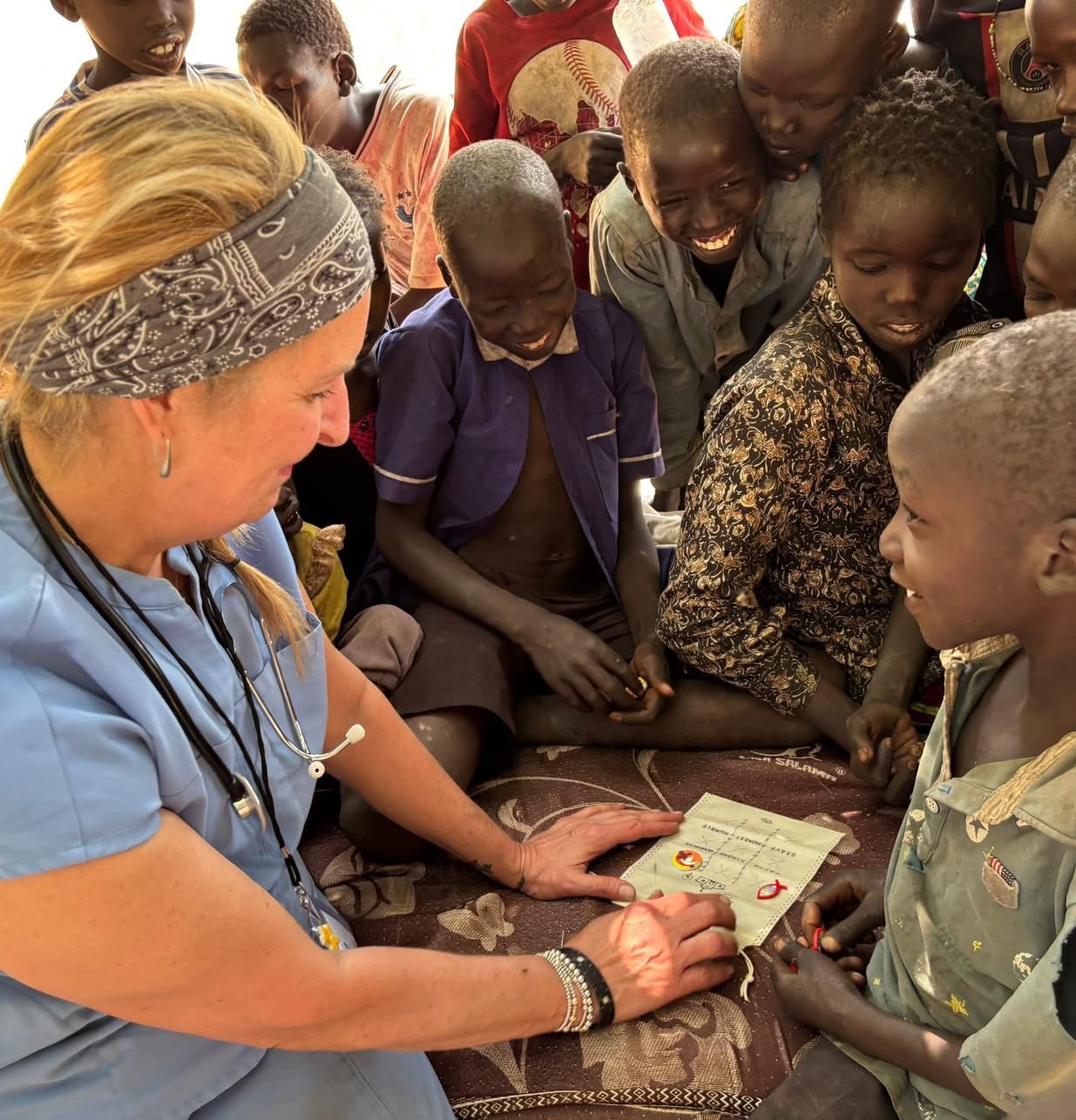
Medical treatment alone cannot solve what ails the Tennet people. We distributed hygiene handouts at every visit — illustrated guides showing proper handwashing before cooking, before eating, after using the bathroom, after shaking hands. And the Tennet shake hands constantly. It is a deep cultural norm, and without access to clean water or soap at key moments throughout the day, the simple act of greeting a neighbor becomes a vector for disease.
Sheri spoke directly with village chiefs about the water crisis, offering to fund the repair of one of the broken boreholes in exchange for a community commitment to maintain it and demonstrate improved health outcomes within six months. Neither chief took her up on the offer. The weight of passivity and helplessness is that heavy.
Our health educator, Kathleen, incorporated scripture into every session and shared the gospel daily before teaching.
Until someone invests in sustained, community-embedded health education, the treatment we provided will cycle back. Parasites will return. Wounds will go untreated again. Children will drink from the same pond as the animals.
A Spiritual Darkness — and a Flicker of Light
The Tennet region is, in many ways, spiritually unreached. Pantheism is a prevailing worldview — trees, objects, and natural forces are venerated as gods. Outside of a very small group of believers, there is no concept of Jesus or the Christian God.
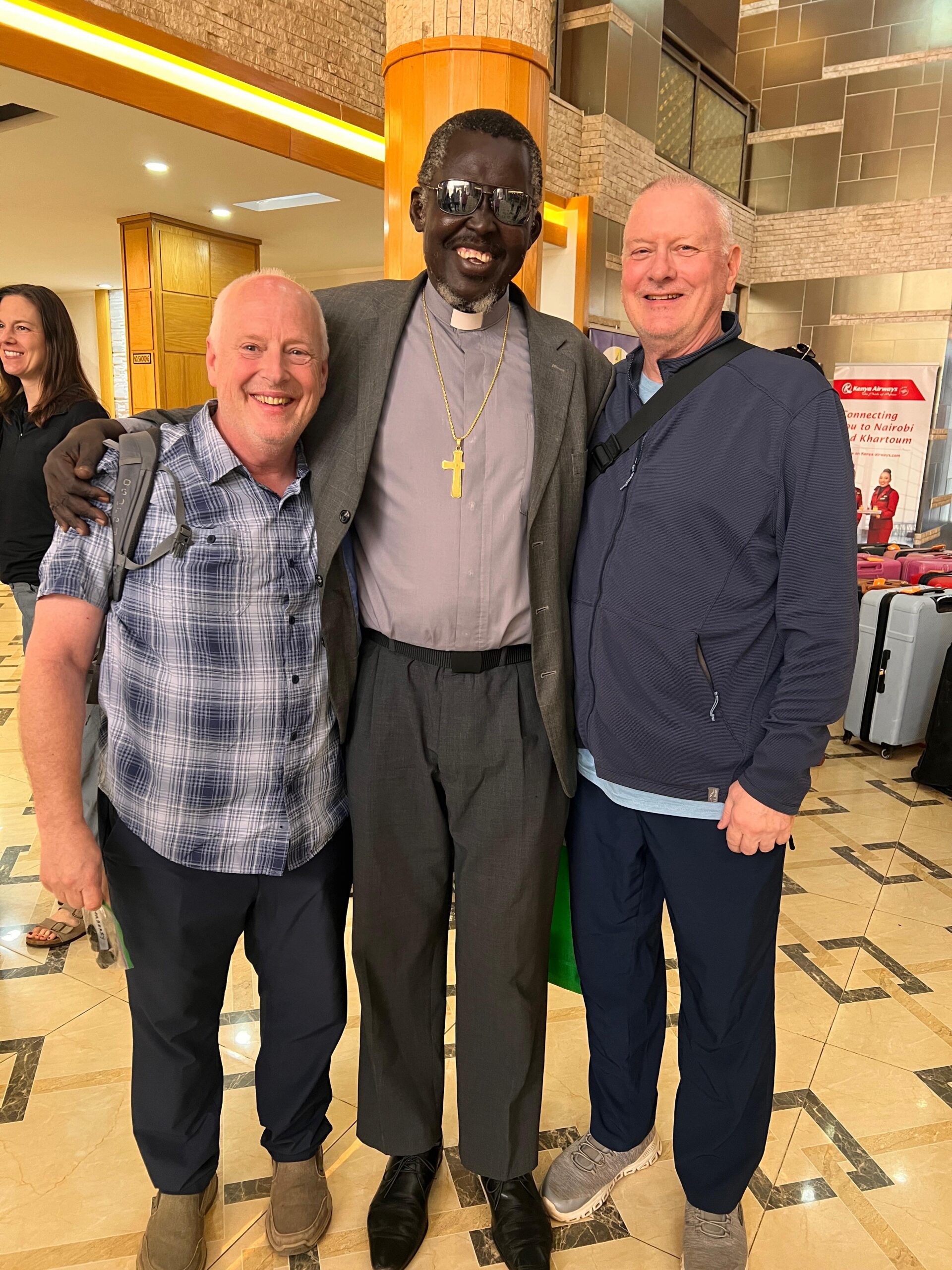
There is one church in the entire region. It is small, capable of holding perhaps 50 to 60 people, and during our time there, it was clear it was not thriving. The pastor, Victor, carries an enormous burden with very little support. The small group of believers in the community does not actively evangelize to their neighbors, even amid profound spiritual need all around them.
But we came with prayer, and God answered.
On the third evening of outreach, Sheri felt a strong prompting from the Lord to walk the property where we’d been seeing patients and pray over it. We obeyed. That night, 139 people gave their lives to Christ at an outdoor showing of the Jesus film.
In total, across the duration of our trip, 569 Tennet people made first-time decisions to follow Jesus. It was the highest number of first-time commitments in any single MPFC trip in our organization’s history.
Among the most moving moments: our nurse Sophia felt prompted by the Holy Spirit to stop one day and pray specifically over Dr. Mark — a newly retired physician who joined our team for the first time and who initially had doubts about whether we were the right fit for him. By the end of the trip, he was talking about incorporating new practices into his own medical mission trips!
How You Can Partner With the Tennet People Right Now
The work in Arilo is not finished. In many ways, it has only just begun. Here is how you can stand with the Tennet people alongside us:
Please pray specifically for:
✦ God to raise up a person or organization willing to live among the Tennet people long-term, bringing sustained health education and discipleship — someone with the resilience and the calling to stay.
✦ Pastor Victor and the small body of believers in the region — that they would be emboldened to share the gospel with their neighbors and that their numbers would multiply.
✦ The 569 new believers — that they would be discipled, that their faith would take root, and that the church in the region would grow strong.
✦ The one-year-old baby who weighed six pounds — that God’s healing hand would remain on that child.
✦ That God would stir the hearts of community leaders, including the village chiefs, to take ownership of the health and wellbeing of their people.
✦ Protection and peace for South Sudan, that civil war would not overtake a nation already suffering.
Fast Stats
Region: Arilo
People group: Tennet
We treated 1,572 at the medical outreach.
Day 1: 335 patients
Day 2: 478 patients
Day 3: 248 patients
Day 4: 511 patients
863 souls met with a Pastor/missionary/counselor
On The First Night: The Jesus film was shown in Litheji and 10 people accepted Christ!
On The Third Night: The Jesus film was shown in Loudum. 139 people accepted Christ!
Total saved: 569
Hear From Our Partner: Mission Aviation Fellowship
Our partner in ministry, Mission Aviation Fellowship, has been working with the Tennet people to ensure that the Word of God is accessible in their language:
“It’s a happy day to know that people are finally able to read the Bible. I was very excited when I first saw the translation in print,” Adelino declares. He shares a story about what this will mean for the community.
“One day, as we were giving out the Bible portion, there was a lady, who said, ’What is this?’ When I told her that it is the Word of God in Tennet, she said, ‘Now the Tennet have become human beings.’ That really touched me a lot! Before, without the word of God they felt that they were somehow less than other people. It encouraged some of us to know how much people valued the Bible. To see the realisation of what we were doing. Translation is a very long, tiring and tedious process – but it is always worth the effort.”